
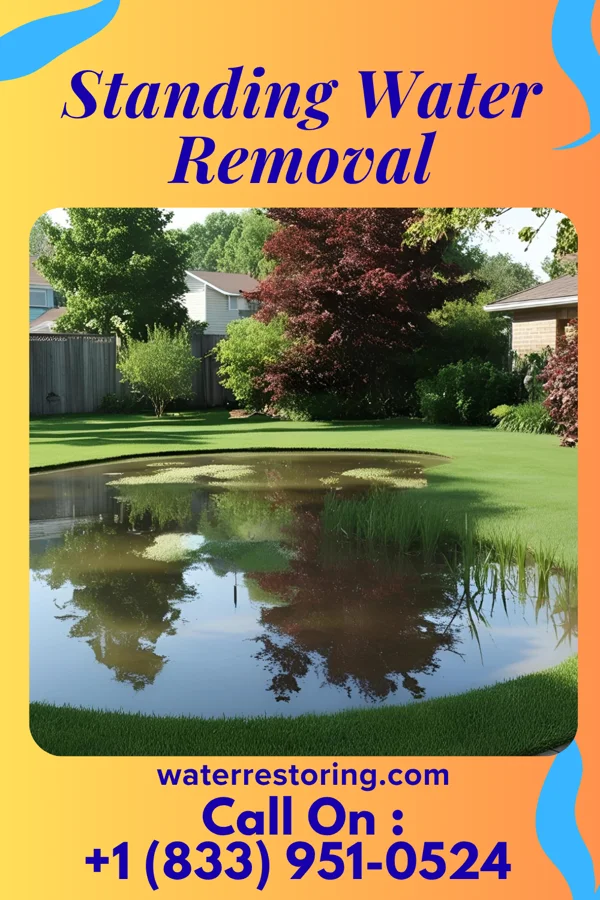
Common Standing Water Causes in Pleasant Gap
Most standing water removal calls in Pleasant Gap come from In Pleasant Gap, Pennsylvania, water damage is most commonly caused by burst pipes, particularly during the colder months when frozen pipes are more prone to rupture. Additionally, heavy rainfall and snowmelt in the spring can lead to basement flooding, especially in homes with inadequate drainage systems.. A close second is Secondary causes include sewer backups, which are more frequent in older homes, and groundwater seepage through cracks in foundations. These issues are exacerbated by the rural setting and the presence of nearby streams and hillsides.. If you know what is about to happen, the decisions during the first 48 hours get a lot easier.
Pleasant Gap experiences a humid continental climate, leading to significant precipitation and temperature fluctuations. This increases the risk of water intrusion, especially during late spring and early fall when storms are more frequent.
Most standing water removal calls in Pleasant Gap come from In Pleasant Gap, Pennsylvania, water damage is most commonly caused by burst pipes, particularly during the colder months when frozen pipes are more prone to rupture. Additionally, heavy rainfall and snowmelt in the spring can lead to basement flooding, especially in homes with inadequate drainage systems.. Running a close second is Secondary causes include sewer backups, which are more frequent in older homes, and groundwater seepage through cracks in foundations. These issues are exacerbated by the rural setting and the presence of nearby streams and hillsides.. Local mold risk: Due to the region's climate and the presence of older infrastructure, mold can develop quickly after water damage, making prompt response critical to prevent long-term health and structural issues.